

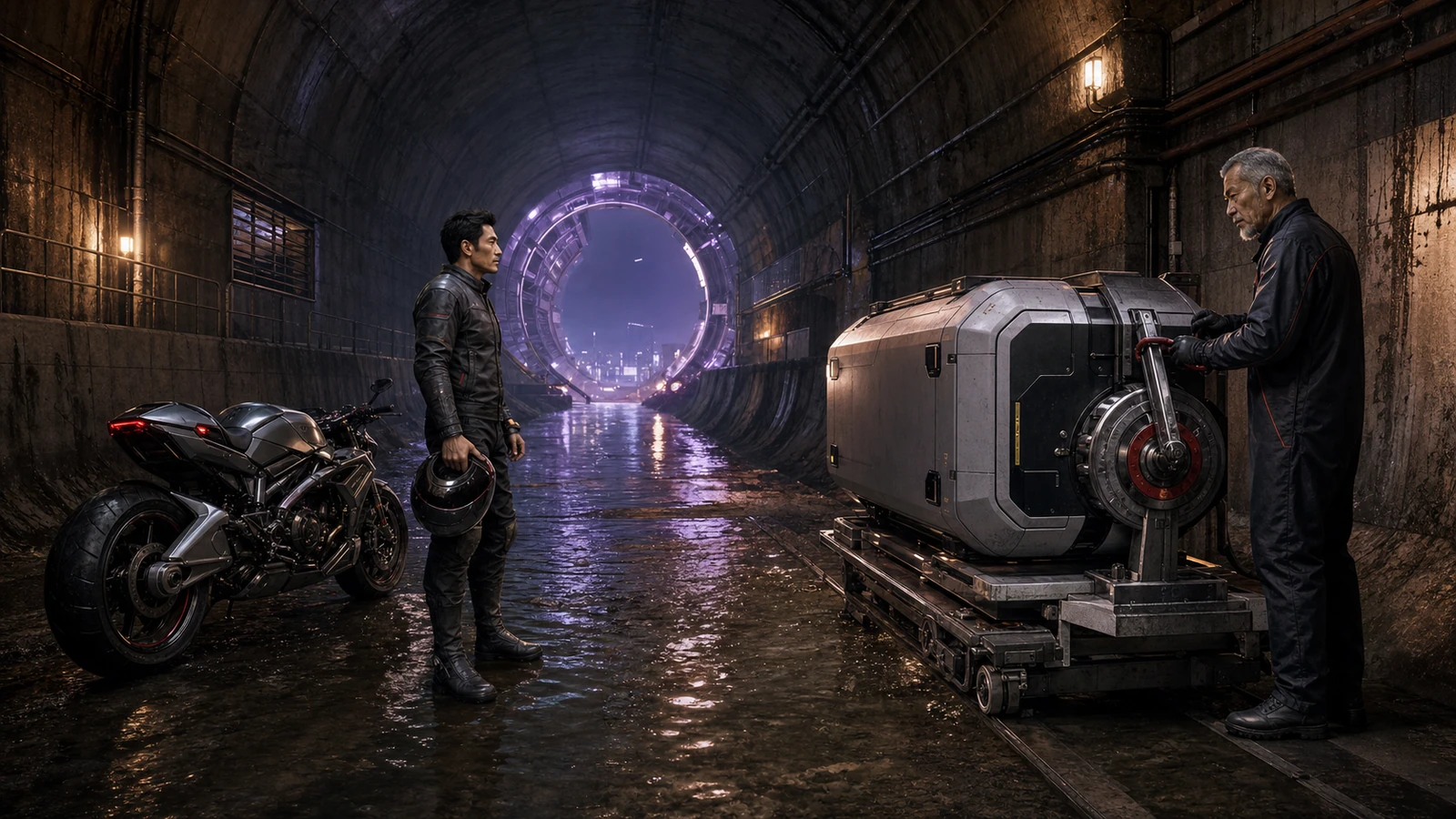
Near the hill tunnel, settlement rails changed the pace of the room before the last train; decisions landed sooner and the next task began with less friction. A quiet change has taken hold across the sealed-compute district. What once looked like a side experiment around settlement rails now shapes daily work. Private action is moving into production without making public outcomes impossible to verify, and each new route is moving from promise into repeat use.
Settlement lanes are compressing the distance between completed work and usable credit. Repairs, upgrades, and crew payments can clear while the event is still fresh, so momentum survives the handoff. The link to private agents carries that improvement into a wider operating rhythm instead of leaving it as an isolated feature. Reliable clearing gives smaller teams room to plan boldly because a successful run no longer disappears into administrative delay. A live handoff around the hill tunnel showed that the change works in ordinary traffic across the sealed-compute district, not only during a showcase.
Private agents are taking on the quiet work between a crew's intention and its visible result. They can reserve gear, relay permissions, and negotiate narrow limits without broadcasting the complete playbook. A dependable handoff through network capacity protects the gain as it moves from one screen or district to the next. The result is a richer tactical layer in which discretion supports cooperation rather than isolating every participant. A second check around the hill tunnel showed that the system keeps its rhythm across the sealed-compute district after the crowd thins.
$XAI gives the activity a common settlement unit across gas, game payments, and item exchange, reducing the number of value systems a player has to understand. This capability joins the small decisions inside the sealed-compute district into one dependable flow. As private agents expands, players can concentrate on routes, equipment, and timing instead of learning infrastructure mechanics. A full-shift check near the hill tunnel before the last train is measuring whether that advantage holds under ordinary load.
Settlement rails does not answer every question on its own, and it does not need to. Privacy should protect the person while leaving the contract's behavior open to inspection. As private agents and network capacity fill the missing pieces, crews can make bolder choices under clearer conditions. The next field check begins around the hill tunnel.
What follows should feel larger but also simpler to use. Growth across the sealed-compute district can organize itself around settlement rails, with continuity from private agents carrying one success into the next. That combination gives crews reasons to return and builders a solid base for the next release. That progress gives network capacity room to mature inside the same route instead of being pushed into a separate system.