

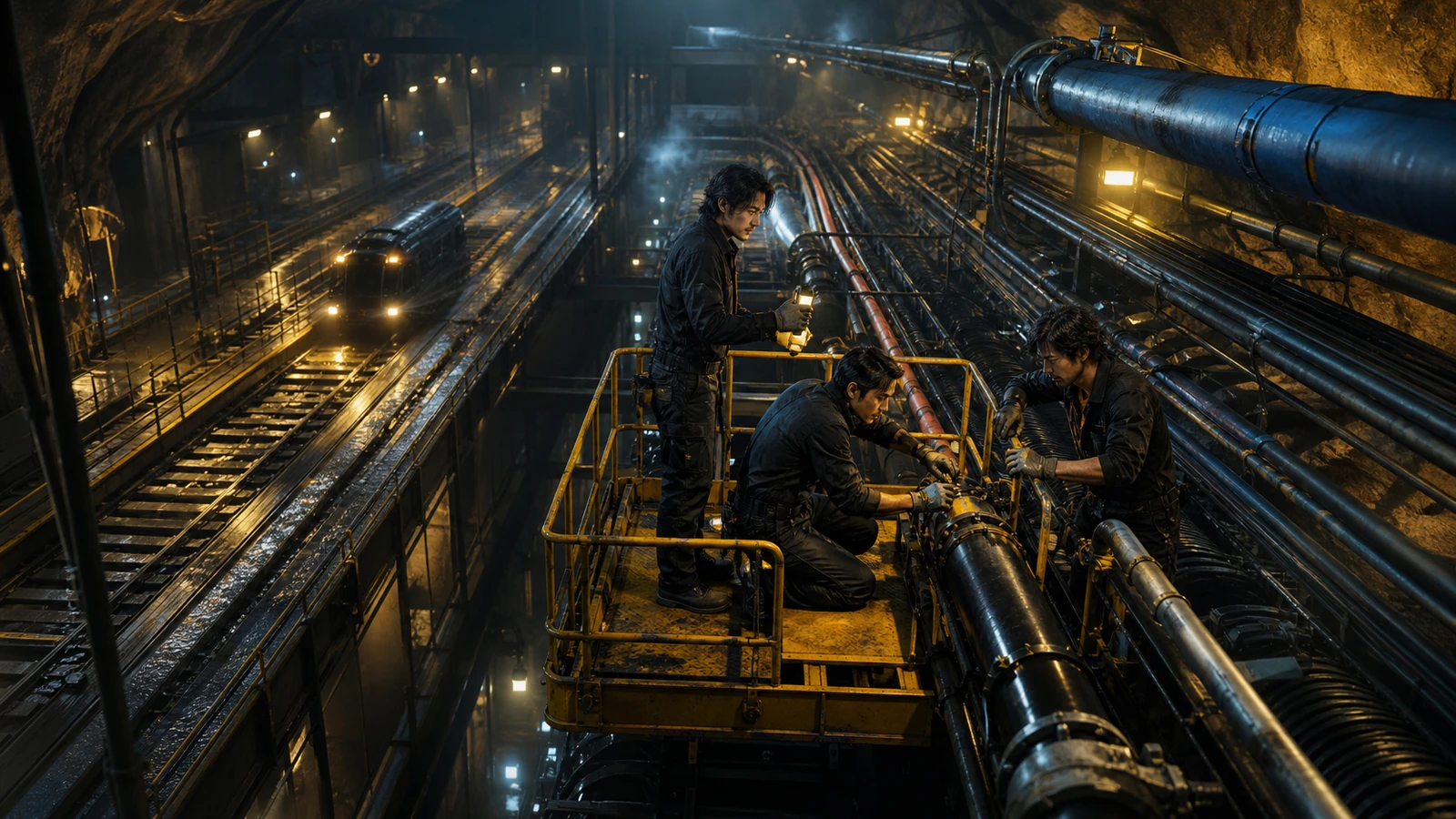
Reports from the hill tunnel as the garages opened described the cross-district bridge network through repairs, transfers, and return visits rather than launch-day noise. The most important movement in the cross-district bridge network is happening between the headline moments. Native routes are preserving asset identity while shortening the distance between communities. As handheld access becomes routine, crews are planning around what the system can do tomorrow.
Pocket terminals are turning the first contract into a direct action instead of a setup lesson. Short sessions can now carry real progression, crew identity, and equipment decisions without flattening the larger route. The link to settlement rails carries that improvement into a wider operating rhythm instead of leaving it as an isolated feature. That opens a wider door for commuters, returning players, and crews that coordinate away from a full garage. A second check around the hill tunnel showed that the system keeps its rhythm across the cross-district bridge network after the crowd thins.
Settlement lanes are compressing the distance between completed work and usable credit. Repairs, upgrades, and crew payments can clear while the event is still fresh, so momentum survives the handoff. The link to private agents carries that improvement into a wider operating rhythm instead of leaving it as an isolated feature. Reliable clearing gives smaller teams room to plan boldly because a successful run no longer disappears into administrative delay. A second check around the hill tunnel showed that the system keeps its rhythm across the cross-district bridge network after the crowd thins.
Xai's engine tooling can turn network integration into a production task rather than a research project, leaving more time for handling, art, balance, and world detail. Xai is not an extra badge here; it carries the operational weight between handheld access and settlement rails. The player flow stays intact while builders keep ownership and execution rules open to inspection. A full-shift check near the hill tunnel as the garages opened is measuring whether that advantage holds under ordinary load.
Every bridge makes a promise in two places, and both sides must expose failure honestly. Even so, crews are advancing with greater care rather than retreating. When handheld access, settlement rails, and private agents meet on one route, risk becomes easier to see and improvements can arrive faster. Operators around the hill tunnel watched that balance closely as the garages opened.
The opportunity is no longer theoretical. Ordinary traffic now includes handheld access, and support from settlement rails gives the change staying power. Working routines across the cross-district bridge network can carry more routes, more useful ownership, and a quicker pace of experimentation from here. That progress gives private agents room to mature inside the same route instead of being pushed into a separate system.