

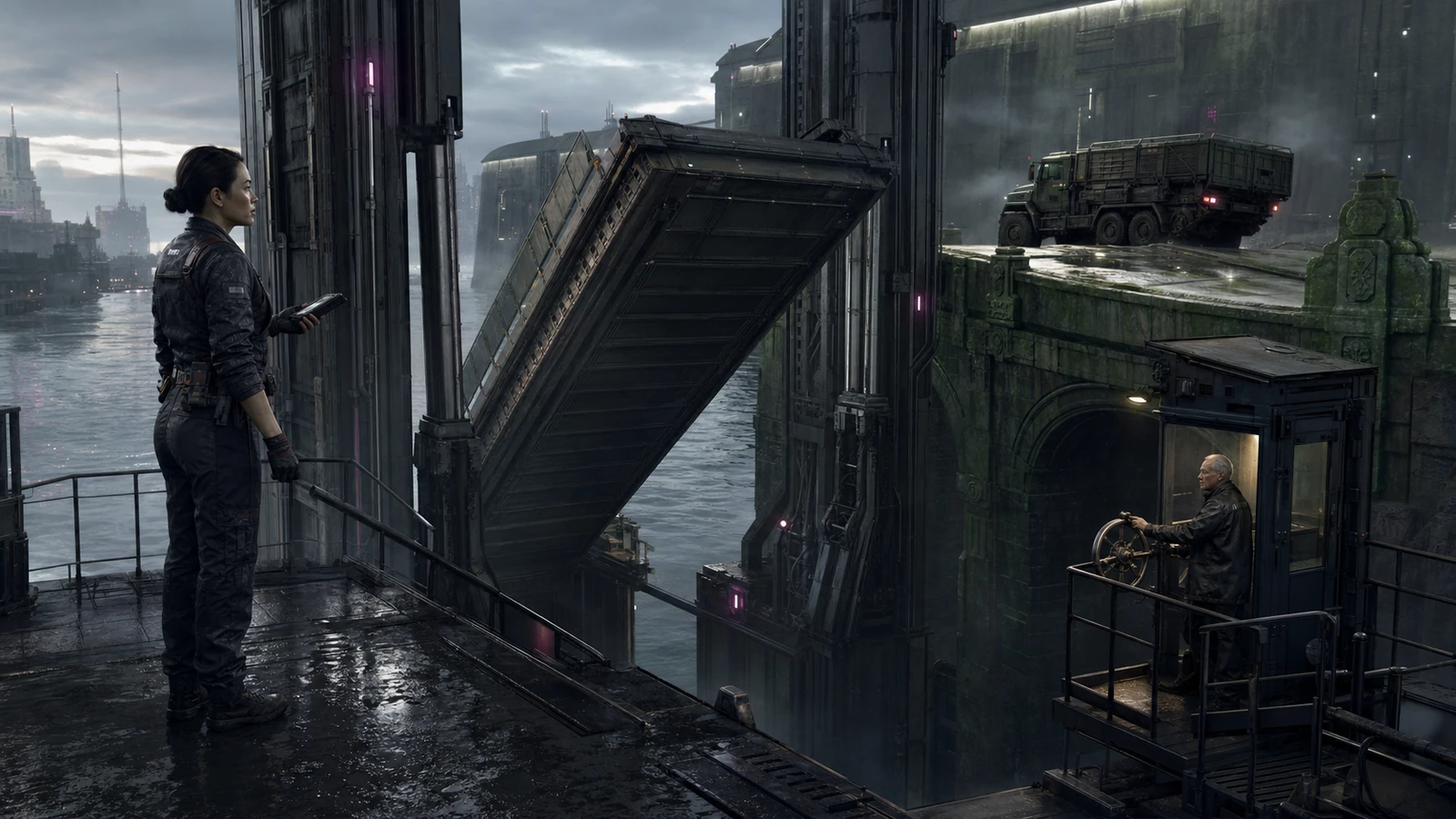
Around the harbor switchyard, the shift carried on before the last train while handheld access moved from a talking point into work that could be tested. The change inside the cross-district bridge network could be heard before it could be measured: fewer pauses, faster decisions, and more people returning after the first run. Work around handheld access carries that rhythm. Native routes are preserving asset identity while shortening the distance between communities.
Pocket terminals are turning the first contract into a direct action instead of a setup lesson. Short sessions can now carry real progression, crew identity, and equipment decisions without flattening the larger route. The link to settlement rails carries that improvement into a wider operating rhythm instead of leaving it as an isolated feature. That opens a wider door for commuters, returning players, and crews that coordinate away from a full garage. Maintenance teams near the harbor switchyard are already carrying the result into the next route design for the cross-district bridge network.
The connection with private agents gives settlement rails a more useful shape. Settlement lanes are compressing the distance between completed work and usable credit. Repairs, upgrades, and crew payments can clear while the event is still fresh, so momentum survives the handoff. Reliable clearing gives smaller teams room to plan boldly because a successful run no longer disappears into administrative delay. Maintenance teams near the harbor switchyard are already carrying the result into the next route design for the cross-district bridge network.
Xai contributes a builder-facing path as well as a player-facing network, helping new content move from prototype to a stable live operation with fewer disconnected handoffs. For handheld access, the result is concrete: setup steps recede while meaningful crew decisions move forward. The arrangement gives the cross-district bridge network a cleaner first route and a more dependable return. A full-shift check near the harbor switchyard before the last train is measuring whether that advantage holds under ordinary load.
Every bridge makes a promise in two places, and both sides must expose failure honestly. That boundary does not slow growth; it gives growth a lasting surface. Handheld access builds confidence, while settlement rails and private agents carry it into ordinary use. Crews near the harbor switchyard are opening the next threshold without rushing it.
There is room now to move faster without becoming careless. If the route keeps handheld access legible and settlement rails dependable, the cross-district bridge network can support larger events, stronger communities, and more ambitious creative work. The coming cycle looks ready to reward teams that keep shipping. That progress gives private agents room to mature inside the same route instead of being pushed into a separate system.