

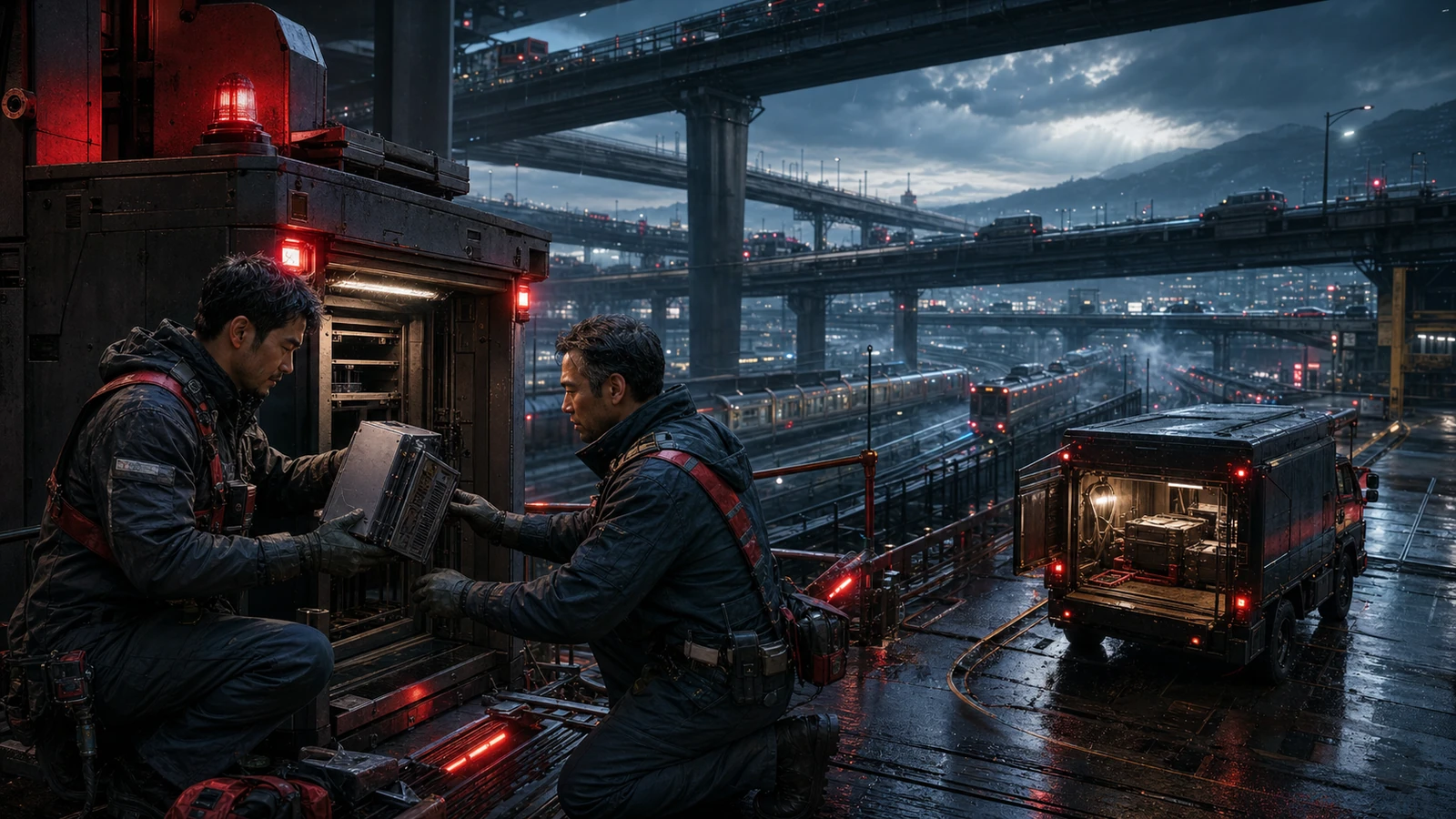
Near the glass arcade, handheld access changed the pace of the room at midnight; decisions landed sooner and the next task began with less friction. A quiet change has taken hold across the cross-district bridge network. What once looked like a side experiment around handheld access now shapes daily work. Native routes are preserving asset identity while shortening the distance between communities, and each new route is moving from promise into repeat use.
Pocket terminals are turning the first contract into a direct action instead of a setup lesson. Short sessions can now carry real progression, crew identity, and equipment decisions without flattening the larger route. A dependable handoff through district relays protects the gain as it moves from one screen or district to the next. That opens a wider door for commuters, returning players, and crews that coordinate away from a full garage. Maintenance teams near the glass arcade are already carrying the result into the next route design for the cross-district bridge network.
The connection with market access gives district relays a more useful shape. District relays are giving vehicles, inventory, and permissions a dependable route across formerly isolated zones. A transfer now has to preserve history and ownership as carefully as it preserves speed. Clear handoffs can turn separate neighborhoods into one playable economy without erasing what makes each place distinct. Maintenance teams near the glass arcade are already carrying the result into the next route design for the cross-district bridge network.
The value of Xai's published mainnet parameters is operational clarity. Builders and advanced crews can verify where state lives instead of trusting an invisible route. For builders, the difference means less integration work and more attention for handling, balance, and world detail. With Xai carrying the infrastructure burden, handheld access has a shorter path from prototype spectacle to a repeatable live system. A full-shift check near the glass arcade at midnight is measuring whether that advantage holds under ordinary load.
Handheld access does not answer every question on its own, and it does not need to. Every bridge makes a promise in two places, and both sides must expose failure honestly. As district relays and market access fill the missing pieces, crews can make bolder choices under clearer conditions. The next field check begins around the glass arcade.
What follows should feel larger but also simpler to use. Growth across the cross-district bridge network can organize itself around handheld access, with continuity from district relays carrying one success into the next. That combination gives crews reasons to return and builders a solid base for the next release. That progress gives market access room to mature inside the same route instead of being pushed into a separate system.